About us
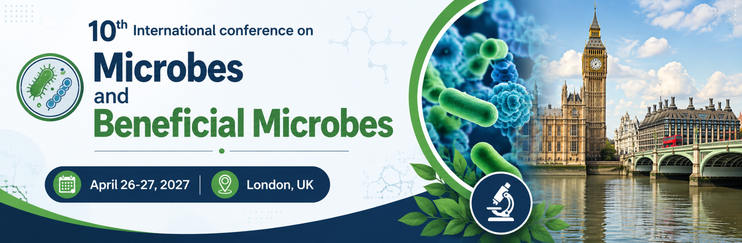
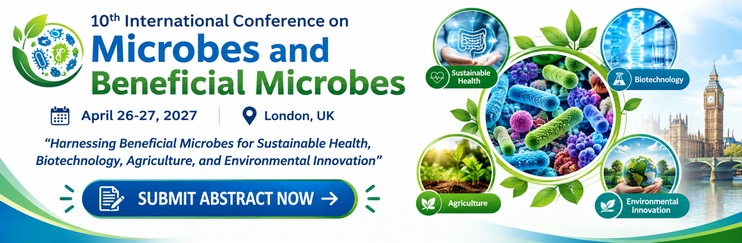
The 10th International Conference on Microbes and Beneficial Microbes, taking place on April 26–27, 2027, in London, UK, brings together scientists, researchers, academics, healthcare professionals, industry experts, and students from around the world to explore the latest developments in microbiology and the diverse roles of beneficial microbes. The conference provides an international platform for sharing knowledge, presenting innovative research, and discussing emerging trends in microbial science.
The conference focuses on a broad range of topics including beneficial microorganisms, microbial biotechnology, probiotics and prebiotics, industrial microbiology, environmental microbiology, microbial genetics, infectious diseases, food microbiology, and advances in microbial applications. Through scientific sessions, keynote presentations, invited talks, and interactive discussions, participants will have opportunities to exchange ideas and explore innovative approaches to addressing current challenges in microbiology.
Our goal is to encourage global collaboration, scientific innovation, and knowledge exchange while highlighting the positive contributions of microbes to human health, food, agriculture, industry, and the environment. The conference welcomes researchers and professionals at all career stages to connect, collaborate, and contribute to the advancement of microbial science.
Sessions/Tracks
1. Beneficial Microbes & Probiotics
This track explores the diverse roles of beneficial microorganisms in health and well-being.Topics include probiotics, prebiotics, synbiotics, and postbiotics.Researchers can discuss microbial strains with therapeutic and nutritional applications.The session also covers microbiome modulation and host–microbe interactions.Innovations in functional foods and microbial-based health products are also highlighted.
2. Microbial Biotechnology & Bioengineering
This session focuses on the use of microorganisms for biotechnology and industrial applications.Topics include microbial enzymes, fermentation, metabolic engineering, and bioprocessing.Advances in synthetic biology and microbial strain development will be explored.Researchers can present innovative approaches for producing valuable microbial products.The track highlights emerging technologies for sustainable microbial biotechnology.
3. Microbiome, Gut Health & Human Health
This track focuses on the relationship between microbial communities and human health.Discussions include gut microbiota, microbial diversity, and host–microbe interactions.Researchers can explore the role of microbiomes in nutrition, immunity, and disease.Emerging microbiome-based diagnostics and therapeutic strategies will also be addressed.The session highlights new approaches to improving health through microbiome research.
4. Food & Industrial Microbiology
This session covers the importance of microorganisms in food production and industrial processes.Topics include food fermentation, microbial food safety, and functional food development.The track also explores industrial microorganisms and microbial enzymes.Researchers can discuss methods for improving food quality, preservation, and safety.Sustainable microbial technologies for the food and industrial sectors will be emphasized.
5. Environmental Microbiology & Sustainable Applications
This track examines the role of microorganisms in environmental protection and sustainability.Topics include microbial ecology, bioremediation, wastewater treatment, and soil microbiology.Beneficial microbes used for pollution control and ecosystem restoration will be discussed.Researchers can present microbial approaches for addressing environmental challenges.The session promotes sustainable and innovative applications of microbial science.
6. Microbial Genetics, Genomics & Molecular Biology
This session explores the genetic and molecular mechanisms underlying microbial functions.Topics include microbial genomics, gene regulation, evolution, and molecular biology.Advances in sequencing, genome analysis, and genetic engineering will be highlighted.Researchers can discuss emerging tools for understanding and modifying microorganisms.The track provides insights into modern genomic and molecular approaches in microbiology.
7. Pathogenic Microbes, Antimicrobial Resistance & Infection Control
This track focuses on pathogenic microorganisms and their impact on human health.Topics include emerging pathogens, infectious diseases, antimicrobial resistance, and diagnostics.Researchers can discuss mechanisms of microbial resistance and strategies to combat resistant organisms.The session also covers vaccines, infection prevention, and innovative antimicrobial approaches.Emphasis will be placed on global challenges and solutions for effective infection control.
8. Agricultural Microbiology & Plant–Microbe Interactions
This track explores the role of microorganisms in improving plant growth, crop productivity, and agricultural sustainability. Topics include plant-growth-promoting bacteria, mycorrhizal fungi, rhizosphere microbiology, and microbial inoculants. Researchers can discuss beneficial interactions between microbes and crops, microbial approaches to nutrient management, and strategies for improving plant resilience. Innovations in biofertilizers and microbe-based agricultural solutions will also be highlighted.
9. Microbial Biocontrol & Sustainable Crop Protection
This track focuses on the use of beneficial microorganisms to protect crops from pests, pathogens, and environmental stresses. Topics include microbial biopesticides, biological control agents, antagonistic microorganisms, and natural microbial metabolites. Researchers can explore sustainable alternatives to conventional crop protection methods, integrated pest management, and microbial approaches for improving crop resilience. Emerging technologies for safer and more sustainable agricultural production will be discussed.
10. Microbial Metabolites, Natural Products & Bioactive Compounds
This track focuses on the discovery and application of biologically active compounds produced by microorganisms. Topics include microbial secondary metabolites, antimicrobial compounds, enzymes, pigments, vitamins, and other bioactive molecules. Researchers can discuss microbial production strategies, optimization of valuable compounds, and their applications in healthcare, food, agriculture, and biotechnology. Advances in microbial bioprospecting and natural-product discovery will also be explored.
11. Marine & Extremophilic Microbiology
This track explores microorganisms found in marine environments and extreme habitats as sources of biological and technological innovation. Topics include marine microorganisms, halophiles, thermophiles, acidophiles, and microbes adapted to other challenging environments. Researchers can discuss their adaptation mechanisms, enzymes, metabolites, and biotechnological applications. The session will highlight opportunities for discovering novel microbial products and processes from unique ecosystems.
12. Microbial Biorefineries & Circular Bioeconomy
This track examines how microorganisms can convert renewable resources, agricultural residues, and waste materials into valuable products. Topics include microbial biomass conversion, waste valorization, bio-based chemicals, resource recovery, and microbial production of fuels and other value-added products. Researchers can present innovative approaches for reducing waste and improving resource efficiency. The session highlights microbial technologies supporting circular economy and sustainable production.
13. Microbes in Animal Health, Nutrition & Veterinary Biotechnology
This track focuses on the role of microorganisms in animal health, nutrition, productivity, and veterinary biotechnology. Topics include animal gut microbiota, probiotics, microbial feed additives, host–microbe interactions, and microbial approaches to animal nutrition. Researchers can explore applications in livestock, poultry, aquaculture, and veterinary medicine. Sustainable microbial strategies for supporting healthier animals and efficient production systems will be highlighted.
14. Microbial Biopolymers, Biomaterials & Bio-Based Products
This track explores microorganisms as platforms for producing sustainable materials and innovative bio-based products. Topics include microbial polymers, bioplastics, bacterial cellulose, biosurfactants, biodegradable materials, and microbial-derived biomaterials. Researchers can discuss production technologies and applications in healthcare, packaging, agriculture, and industry. The session will emphasize microbial alternatives to petroleum-based and non-biodegradable materials.
15. Microbial Diagnostics, Biosensors & Emerging Technologies
This track focuses on emerging technologies for detecting, monitoring, and analyzing microorganisms and microbial activities. Topics include microbial biosensors, rapid diagnostic technologies, point-of-care detection, metagenomic analysis, and advanced microbial monitoring platforms. Researchers can present innovative approaches for rapid and precise microbial identification and characterization. The session will also explore the integration of bioinformatics, artificial intelligence, and high-throughput technologies into modern microbial research.
Market Analysis
The 10th International Conference on Microbes and Beneficial Microbes is aligned with rapidly developing areas of microbiology, particularly microbiome research, probiotics, microbial biotechnology, food microbiology, and sustainable microbial applications. Growing interest in the relationship between beneficial microbes and human health is driving research and commercial activity in probiotics, functional foods, microbiome-based products, and personalized nutrition.
Microbial biotechnology is also gaining importance across the pharmaceutical, food, agricultural, industrial, and environmental sectors. Advances in microbial fermentation, genetic engineering, bioengineering, bioremediation, and industrial enzymes are creating new opportunities for sustainable production and innovative microbial-based solutions. At the same time, antimicrobial resistance and emerging infectious diseases continue to increase the demand for improved diagnostics, antimicrobial strategies, vaccines, and infection-control technologies.
Against this market background, Microbes and Beneficial Microbes provides a valuable platform for researchers, academics, healthcare professionals, biotechnology companies, pharmaceutical organizations, food industries, and environmental scientists to exchange knowledge and explore emerging opportunities. The conference can encourage international collaboration, technology transfer, research partnerships, and discussion of innovative applications of both beneficial and clinically significant microbes.